Menu


What Are the Risks of Buying Non-Authorised Salon Products?
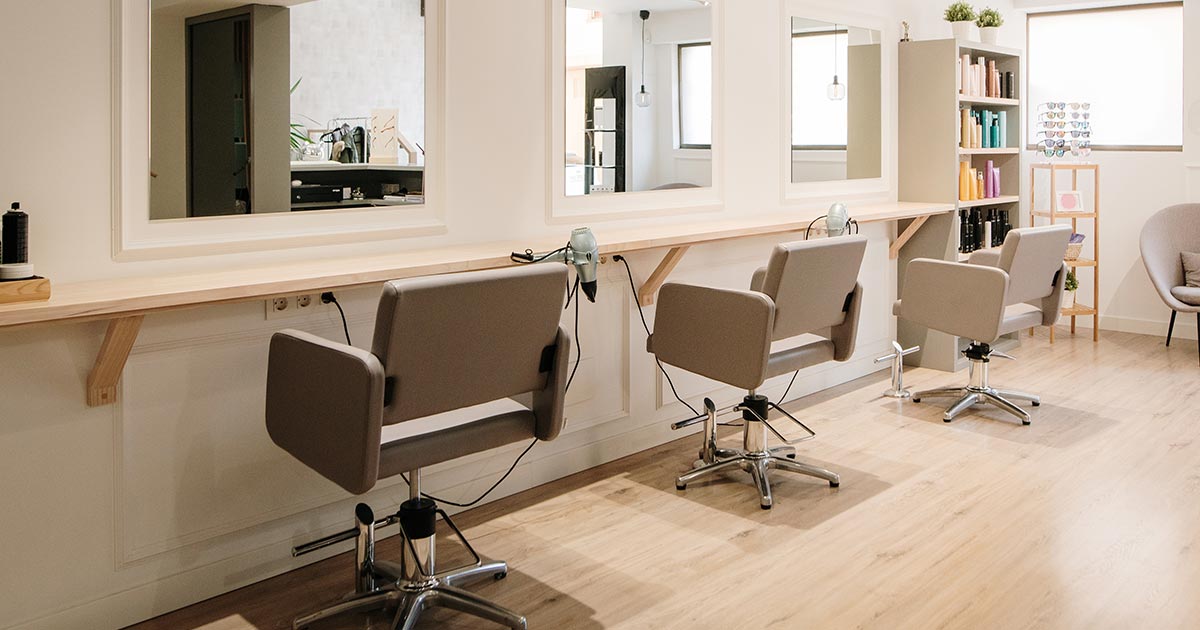
With UK salons managing rising costs across the board, heavily discounted salon products can be difficult to ignore. But when it comes to grey-market salon products, it’s often too good to be true. A lower price brings the hidden cost of unreliable performance and reputational risks.
Here’s what you should know about non-authorised salon products to protect your business, as well as our tips for saving your salon’s pennies without compromising product safety and quality.
What You Need to Know: At a Glance
- Grey-market products aren't necessarily counterfeit, but they haven't been sourced through the manufacturer's authorised supply chain.
- The biggest risk is uncertainty, from product traceability and performance to technical support and compliance.
- Unexpected product issues can cost far more than the initial saving you might make, affecting service quality and your professional reputation.
- There are better ways to reduce your colour costs safely, including improving stock management, reviewing pricing and taking advantage of genuine supplier promotions.
What Is “Grey-Market” Hair Colour?
“Grey-market” hair colour has nothing to do with the product’s shade. In fact, the term refers to professional hair colour and, more broadly, professional salon products, which have been sourced and sold to you through unauthorised channels.
While these products aren’t necessarily fake or counterfeit, they won’t have gone through the manufacturer’s approved supply chain. This means the product’s journey usually can’t be verified, raising questions around how it's been stored, handled or transported before reaching your salon, and the market it was originally intended to sell in.
“A few key factors are driving the growth of the grey market in the hair and beauty industry. Pricing disparities between different global markets encourage resellers to buy low-cost products and import them into the higher-cost UK market. Meanwhile, the rise of online marketplaces allows third-party sellers to operate with very little overhead and hide the origins of their inventory.” Karen Hicks, Marketing Manager at Capital Hair & Beauty
How to Spot Grey-Market Salon Products
In many cases, grey-market salon products look like the real deal. The packaging and the product itself may well be genuine, but the question is whether it’s passed through the authorised channels.
A few common warning signs to look out for are:
- Prices that are significantly lower than the market average
- Missing instructions, or instructions in an unexpected language
- Limited information about the seller or the product’s origin
- Products with damaged or altered packaging
- A lack of technical support or product information
To learn more about spotting grey-market salon products, read our complete guide, which includes steps to verify a supplier’s credentials for popular products like L'Oréal Majirel.
[Link to How To Identify Genuine L'Oreal Professionnel Products guide]
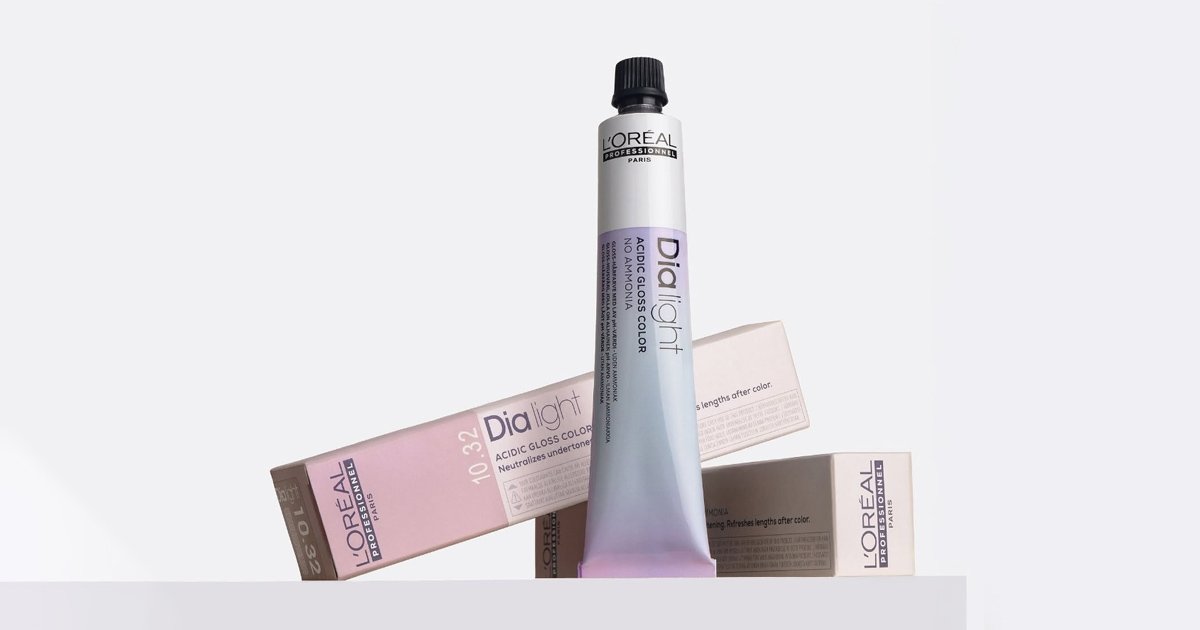
Understanding the Risks of Non-Authorised Products
The biggest risk of non-authorised hair colour and salon products is uncertainty. Uncertainty about where the product has come from, how it’s been stored and transported, and whether it was intended for the UK market.
This can lead to genuine issues when using the product in your everyday business.
1. Unreliable Product Performance
Precision and reliability are essential for colour work. Products need to lift, deposit, tone, cover and process as expected. A grey-market hair colour might leave unanswered questions around product age, previous storage conditions, transportation and compatibility with UK guidance.
Even small inconsistencies can tamper with your final results and deliver unexpected outcomes, harming your services and your reputation with clients.
2. Reduced Traceability & Accountability
Being able to trace product supply chains is vital. Key information such as batch numbers, supplier records and purchase history can help you investigate if product concerns arise.
When products are purchased through non-authorised sellers, this information may be missing, making the chain of accountability unclear and limiting your ability to resolve issues or access support or warranties from the manufacturer.
3. Compliance & Insurance
It’s common for grey-market salon products to be intended for sale in another region. This might mean that packaging, instructions, ingredients or even safety information differ from what’s expected for UK professional use.
There may also be insurance considerations. Depending on your policy, using products sourced from unauthorised channels can lead to complications if a treatment issue or client complaint needs further investigation.
4. Hidden Business Costs
A grey-market product might seem cheaper at first glance, but if it affects the service outcome, costs can quickly add up. For salons and freelancers, the cost of a product issue is rarely limited to the product itself.
Unexpected results in the chair might lead to:
- New product required for colour correction
- Extra time in the chair
- A goodwill refund
- Reduced client trust
- Damage to your reviews or reputation
5. Missing Technical Support
An authorised seller will be able to provide access to product knowledge, brand guidance, education and support if you need advice. While grey-market products might offer a lower price, there’s likely to be a lack of authentic technical expertise or aftercare, which can impact your success with the product.
How to Save Colour Costs Safely
There’s no denying that cost control is a priority, whether you run a salon or a freelance business. This doesn’t need to come at the expense of product traceability, safety and quality. Here are our tips to keep business costs in line when purchasing salon products like hair colour:
- Always measure colour accurately: Avoid over-mixing colour, which can take its toll over the course of your services. Using digital scales, recording formulations accurately, and even trying out a hair colour management system can help reduce unnecessary product usage.
- Keep a close eye on your most-used shades: Regularly review your colour stock to understand which shades are most popular, and which tend to gather dust. Doing this more frequently will help you audit your spending on colour and developers.
- Take advantage of authorised supplier promotions: Keep an eye out for professional-only promotions and offers which authorised sellers run. Our customers can take advantage of regular VAT-free days, bulk-buy promotions and our Price Match Promise, for example.
- Invest in education: Strong formulation skills and colour knowledge can help reduce costly mistakes and improve product efficiency. Invest in expert-led training to refresh skills and keep product knowledge fresh.
- Review your pricing regularly: Whether you’re freelance or a salon owner, regularly reviewing the pricing of your colour services – for example, on a 6- to 12-month basis – will help ensure they remain profitable as product, energy and operating costs change over time.
Your Trusted Professional Hair Colour Suppliers
The temptation of a discounted product is understandable. But when it comes to professional hair colour and technical salon products, confidence in the quality and authenticity of your colour supplies is priceless.
At Capital Hair & Beauty, we're proud to supply genuine professional products from leading brands, including L'Oréal Professionnel, backed by expert advice from store teams who really understand the hair and beauty industry. Explore our full range of professional hair colour and colour education, and for the latest deals and offers on top products, be sure to sign up for our email newsletters.
Related Posts
How To Identify Authentic L'Oréal Professionnel Products: Genuine vs Grey-Market
Read our guide and understand exactly how to identify , L'Oréal Professionnel's genuine products and keep your freelance or salon services reliable and protected

5 Signs You’re Using the Wrong Couch Roll in Your Salon
Is your couch roll tearing, running out too fast, or making the wrong impression? Discover 5 signs it's time to switch to a salon-quality couch roll.
Save on Couch Rolls Without Sacrificing Quality
How do you save money on couch rolls without sacrificing the quality your clients expect? Here are five smart, trade-tested ways to cut costs while keeping standards high.

Why Salon Pros Trust Capital Couch Rolls
Discover why thousands of beauty and hair professionals choose Capital couch rolls for quality, reliability and value. Salon-tested. Trade-trusted.

How to Manage Your Stress for Stress Awareness Month (and Beyond)
Working in the hair and beauty industry is one of the most rewarding careers out there. From transforming clients looks to building strong relationships, it can be incredibly fulfilling. But with that career satisfaction often comes periods of high stress.
How to Raise Beauty Prices Without Losing Clients
Discover why increasing your prices is essential and how to approach it without losing the trust of your clients.

Prioritising your mental health
Going freelance means you’re in charge of your day and get to plan things exactly as you choose. While you might be working alone, you should never feel alone; read on for our tips on keeping your mental state healthy and balanced.