Menu


What Every Stylist Should Know About Hair Dye Patch Tests
Patch testing is a non-negotiable part of being a professional hair colourist. Governed by Section 3 of the Health and Safety at Work Act, it involves applying a small amount of colour product to your client’s skin ahead of their colour appointment to check for any sensitivities or negative reactions.
Most colour manufacturers and insurers expect patch testing to be carried out exactly as instructed, and it should always be completed before using a new product or working with a first-time colour client. In this guide, we’ll walk through what patch testing involves, why it’s so important, and the key things every stylist should look out for before offering any hair colour service.
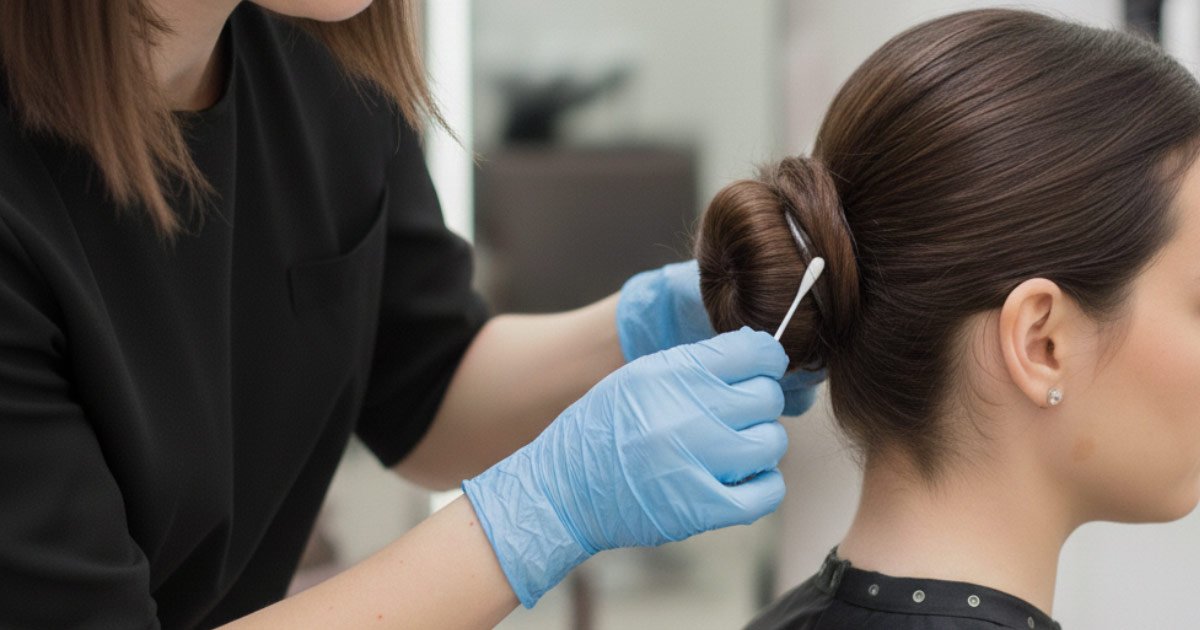
What Is a Patch Test for Hair Dye?
A patch test is a simple but essential step carried out by the salon or freelance stylist before a client’s colour appointment. It involves mixing a small amount of the colour brand and product you plan to use, and applying it to a discreet area of the client’s skin, usually behind the ear or on the inner elbow.
“Where you apply patch tests can vary depending on manufacturer guidelines. For L'Oréal Professionnel products, for example, guidelines require you to apply the product on the client’s arm – typically in the crook of their elbow.” Nicola Wilcox, Freelance Hairdresser.
What Is a Patch Test Looking for?
The aim of patch testing is to identify any unexpected sensitivity or reactions to the hair dye ingredients, such as redness, itchy skin, irritation or discomfort, before the product is applied across the hair.
Patch tests help highlight potential issues with certain ingredients. This is most commonly paraphenylenediamine (PPD), found in most oxidative hair colour, but they will also cover other allergens in the ingredients list. They don’t formally diagnose allergies or rule them out entirely, but act as a precautionary check to support safe hair colouring.
Because every colour brand has its own requirements, patch tests should always be carried out exactly as the manufacturer instructs, ensuring accuracy, consistency and compliance with best practices. Read on to find out more about when and how to perform colour patch tests.
When, and Why, You Should Perform Patch Tests
Patch testing is a core part of delivering safe, professional colour services, whether you’re a freelance stylist or working in a salon. There are several situations where you should always carry out a patch test:
- For first-time colour clients
- When using a new brand or product on a client for the first time
- When a brand has changed the formulation of a product
- If it’s been 6–12 months since the client’s last colour (brand dependent)
- When the client reports a change to their skin sensitivity or health history
- When required by the manufacturer or insurer
“As a general guideline, I recommend performing a patch test every 6 months when using the same hair colour brand and you’ve had no previous reactions. Some manufacturers advise more frequent testing, such as every 3 months, while others recommend re-testing annually. Always follow the specific patch-test instructions provided by your product’s manufacturer.” Nicola Wilcox
Why Performing Patch Tests is Essential
Patch testing protects everyone involved. For clients, it acts as a safety check for potentially harmful reactions. For you as a stylist, it’s a legal requirement that maintains insurance compliance, reinforces professional standards and builds trust through transparent, safe practices.
How to Patch Test Hair Dye
Patch testing should always be carried out exactly as the colour manufacturer recommends, as each brand has its own specific process. These steps offer a general outline, but the official instructions supplied with your colour product should always take priority.
Hair dye patch tests should be carried out at least 48 hours before the scheduled hair appointment, allowing enough time for any reactions to develop.
1. Mix the product correctly
Prepare a small amount of the colour mixture in the same way you would for the client’s actual service; for example, mixing the colour with the developer you intend to use.
“When mixing a colour product to test, I typically select a middle base. Darker colours contain more PPD, so testing a level 5 or 6 will give you a more accurate sense of any potential reactions or sensitivities.” Nicola Wilcox
2. Choose the correct test area
Apply a small amount of the mixture to the recommended site. Some brands may specify one location over another, such as the forearm or behind the ear.
3. Let the test patch dry
Allow the product to dry naturally and advise your client not to wash, rub or cover the area for the time stated by the manufacturer. This is commonly around 48 hours, but this varies.
In other cases, your client may be directed to return home and wipe the product off after 45 minutes of testing.
Some brand instructions, such as L'Oréal Professionnel, may permit you to cover the patch test with cling film, but not with a plaster.
4. Tell clients what to look out for
Ask clients to monitor the area for any unexpected negative reactions, such as:
- Redness
- Itching or tingling
- Swelling
- Burning sensations
- Any discomfort that feels unusual for them
5. What to do if a negative reaction occurs
If your client experiences anything unexpected, they should contact you, and the colour service must not go ahead. Keep a record of this and work with your client to discuss if there’s another solution to their hair goals.
Advise medical attention if required.
6. What counts as a clear patch test
If the area remains unchanged for the full recommended window, the patch test is generally considered clear for that specific product and mixture, and the colour service can go ahead.
Patch Tests vs Allergy Tests: What’s the Difference?
As a hair stylist, it’s important to understand that a patch test isn’t the same as a medical allergy test. A patch test simply checks for possible sensitivity to a specific hair colour formula before a colouring service. It can help highlight potential issues, but it cannot diagnose a hair dye allergy or rule one out entirely.
Allergy tests, carried out by medical professionals, are designed to identify clinical allergies. These are outside the scope of salon services, and you shouldn’t attempt to interpret or provide medical testing or advice.
A Note on Colourstart Patch Tests
Some salons or clients may choose to use Colourstart, a regulated, pre-colour allergy alert test available through pharmacies.
While this is not a medical test, it is an alternative method designed to help clients check for sensitivity ahead of colouring, providing a “passport” to confirm that they are not allergic to the common ingredients in hair colour.
Patch Testing Guidelines for Professional Stylists
Patch Tests: Best Practices
A strong patch testing process will help keep your colour services consistent, safe and professional. To maintain high standards in your salon or mobile services:
- Keep clear patch test records for each client and product used.
- Ensure all stylists follow the same, consistent procedure for every brand.
- Tell clients at the time of booking if a patch test may be required, so they can plan ahead.
- Follow the exact patch test policy provided by each colour brand.
- Use a simple reminder system for clients who return after long gaps between colour services.
- Encourage open, honest communication so clients feel comfortable mentioning any past sensitivities or concerns.
Patch Tests: What to Avoid
There are also important things you should avoid when it comes to patch testing:
- Never skip a patch test when a manufacturer or insurer requires one.
- Never offer medical advice or suggest that a patch test can diagnose allergies.
- Never proceed with colour if the client reports discomfort or a change at the test site.
- Never alter the testing method outside of the brand’s official instructions.
- Never overlook insurance requirements, as they often specify how and when patch testing must take place.
Set the Standards for Safe, Professional Colouring
Patch testing is a small step that makes a big difference to the safety and professionalism of your colour services. By following manufacturer instructions, keeping clear records and staying consistent across the salon, you’ll protect both your clients and your business.
At Capital Hair & Beauty, we support colourists with trusted, quality products, expert guidance in our stores, and ongoing education and training. If you’re looking to deepen your knowledge or explore new colour systems, we’re here for you. Sign up for our newsletters to stay in the know, and browse our full range of professional hair colour today.
Related Posts
How To Identify Authentic L'Oréal Professionnel Products: Genuine vs Grey-Market
Read our guide and understand exactly how to identify , L'Oréal Professionnel's genuine products and keep your freelance or salon services reliable and protected

7 Hair, Beauty & Nail Trends Professionals Need to Know for 2026
Here’s what we think is set to define the industry in 2026, and how you can stay one step ahead!